Common radon myths lead homeowners to skip testing, dismiss real risk, and worry about the wrong things. Radon is the second leading cause of lung cancer in the U.S., yet misinformation keeps many families from taking a simple, low-cost step that could protect them.
Here’s the truth, separated from the myths. The radon pros at North American Radon Pros set the record straight on the misconceptions we hear most.
Key Takeaways
- Myth: New homes are safe. Radon comes from soil, so any home — new or old — can have elevated levels.
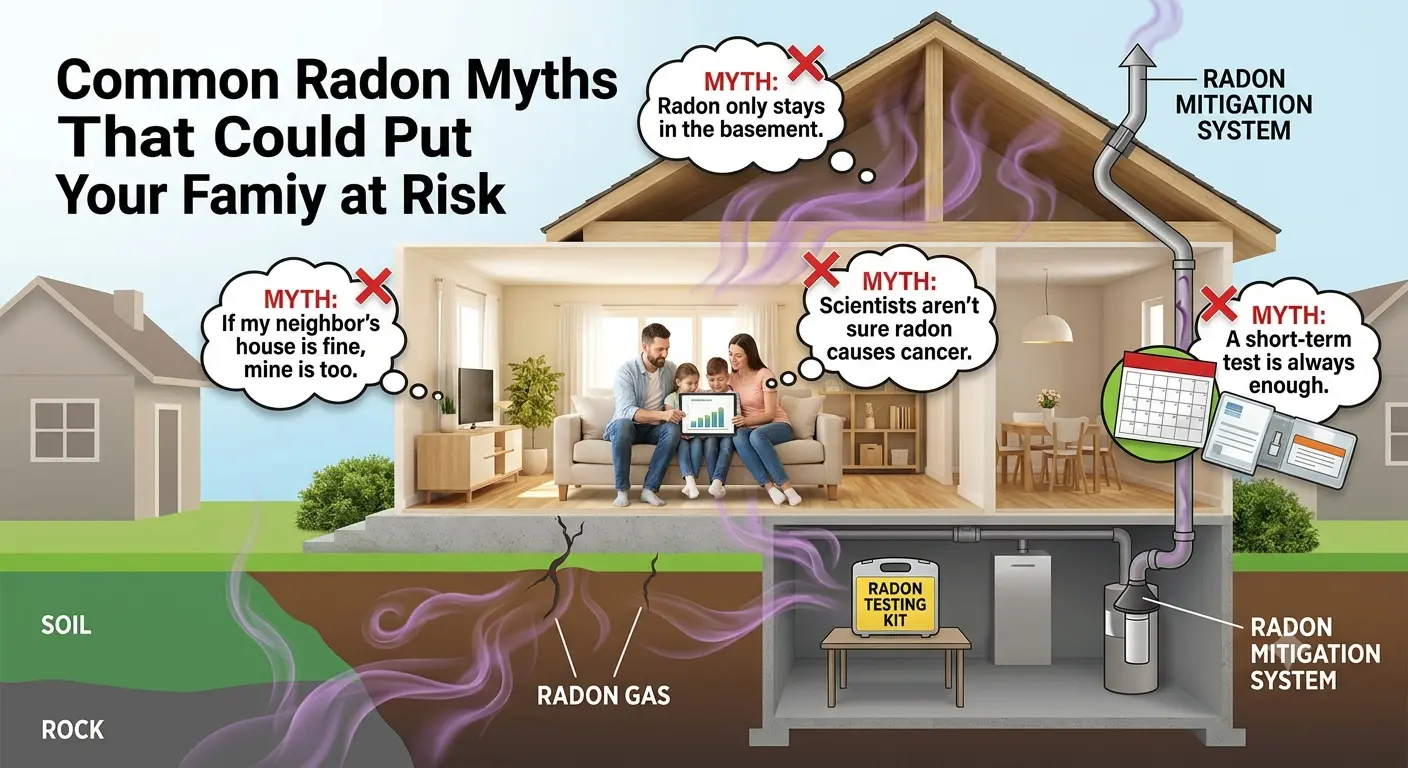
- Myth: Only basements get radon. Any part of a home touching the ground is at risk.
- Myth: Granite countertops are a major source. The EPA confirms they add little to a home’s radon level.
- Myth: A neighbor’s low reading means you’re safe. Levels vary house to house based on soil and construction.
- The fact that matters: Testing is the only way to know, and high radon is fixable.
Myth 1: New Homes Don’t Have Radon
False. Radon comes from the soil beneath a home, not its age or construction quality. Radon can affect any home, regardless of age, design, or construction type, because most homes are built in direct contact with the ground.
Worse, many homeowners assume new construction is automatically protected by building codes. It usually isn’t. Only 11 states require radon-resistant new construction: California, Florida, Illinois, Maine, Minnesota, New Jersey, Oregon, Rhode Island, Texas, Washington, and West Virginia. Outside those states, a brand-new home may have no radon protection at all.
The fact: A new home needs a radon test just as much as an old one.
Myth 2: Radon Only Affects Homes With Basements
False. Radon enters through any point where a home meets the ground. Radon can enter homes regardless of whether they have a basement, slab, or crawl space — any part of a home that comes into contact with the ground is susceptible to radon infiltration.
Slab-on-grade homes, crawl space homes, and homes with no basement at all can test high. The gas rises through cracks in floors, walls, and foundations and accumulates indoors.
The fact: Every foundation type is at risk, so every home should be tested.
Myth 3: Granite Countertops Are a Major Radon Source
Mostly false. This myth has circulated for years, but the science doesn’t support the panic. The EPA and other health organizations have concluded that granite countertops are not a significant source of radon in homes.
Some granite contains trace uranium and can release tiny amounts of radon, but the levels are negligible. The primary source of radon is the soil beneath a house, which seeps through cracks in the foundation and accumulates indoors.
The fact: Don’t worry about your countertops. Test the air in your home.
Myth 4: If My Neighbor’s Home Is Fine, Mine Is Too
False. Radon levels are specific to each property. Factors that affect radon levels, such as soil composition and ground permeability, are specific to each home’s plot of land — while neighboring homes might share similar soil, this isn’t always the case.
Two houses on the same street can produce very different readings based on foundation cracks, construction, and how the soil sits beneath each one.
The fact: A neighbor’s result tells you nothing definitive about your home.
Myth 5: Radon Causes Symptoms I’d Notice
False. There are no warning signs. There are no immediate symptoms from radon exposure, and lung cancer — the only health effect definitively linked to radon — usually occurs 5 to 25 years after exposure.
You won’t cough, get headaches, or feel sick. The damage builds silently, which is exactly why testing is the only reliable detection method.
The fact: You cannot feel radon. You can only measure it.
Myth 6: Radon Testing Is Complicated and Expensive
False. Testing is one of the simplest home safety steps you can take. DIY short-term kits cost little and take a few days; long-term tests run 90+ days for a more accurate annual picture. Professional testing adds documentation, which matters for real estate.
The fact: Testing is cheap, fast, and far less costly than ignoring the risk.
Myth 7: High Radon Means My Home Is Unfixable
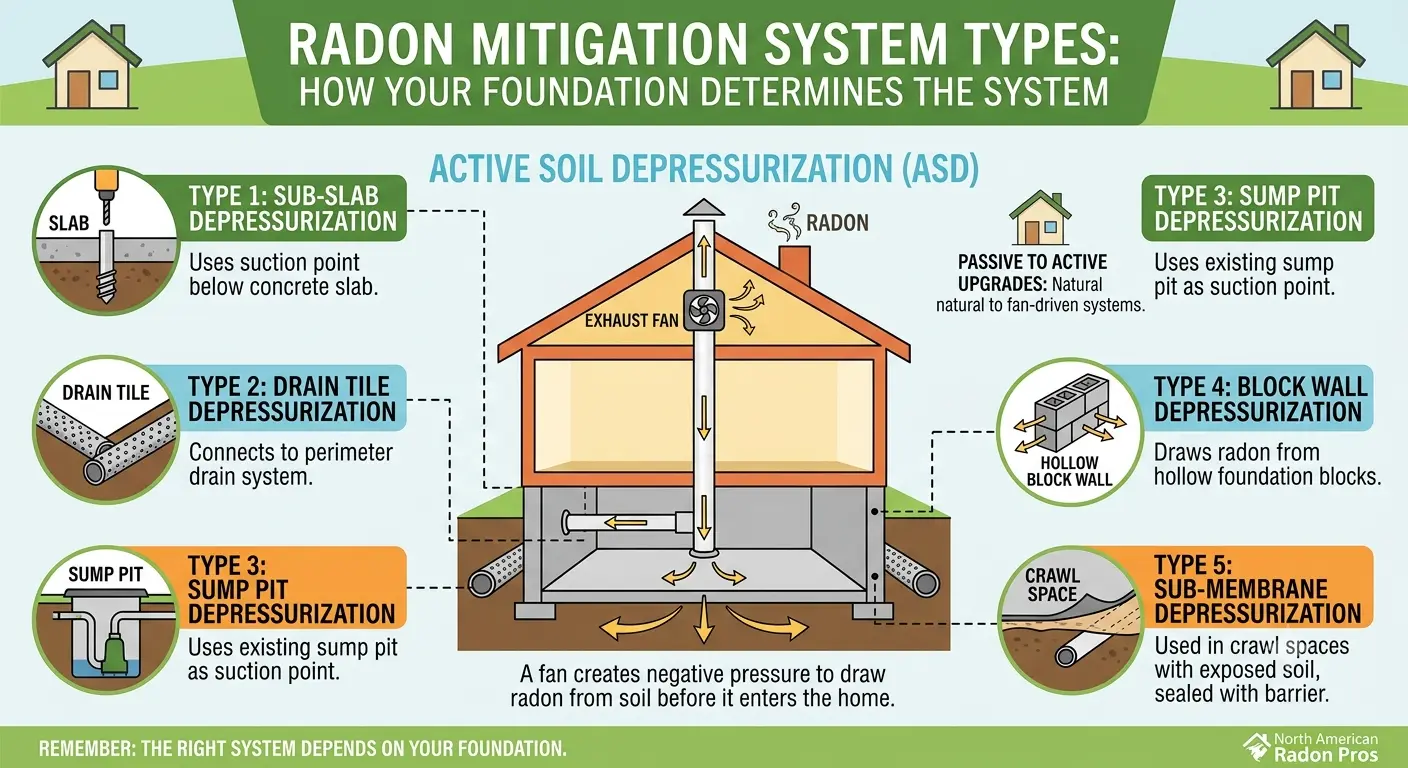
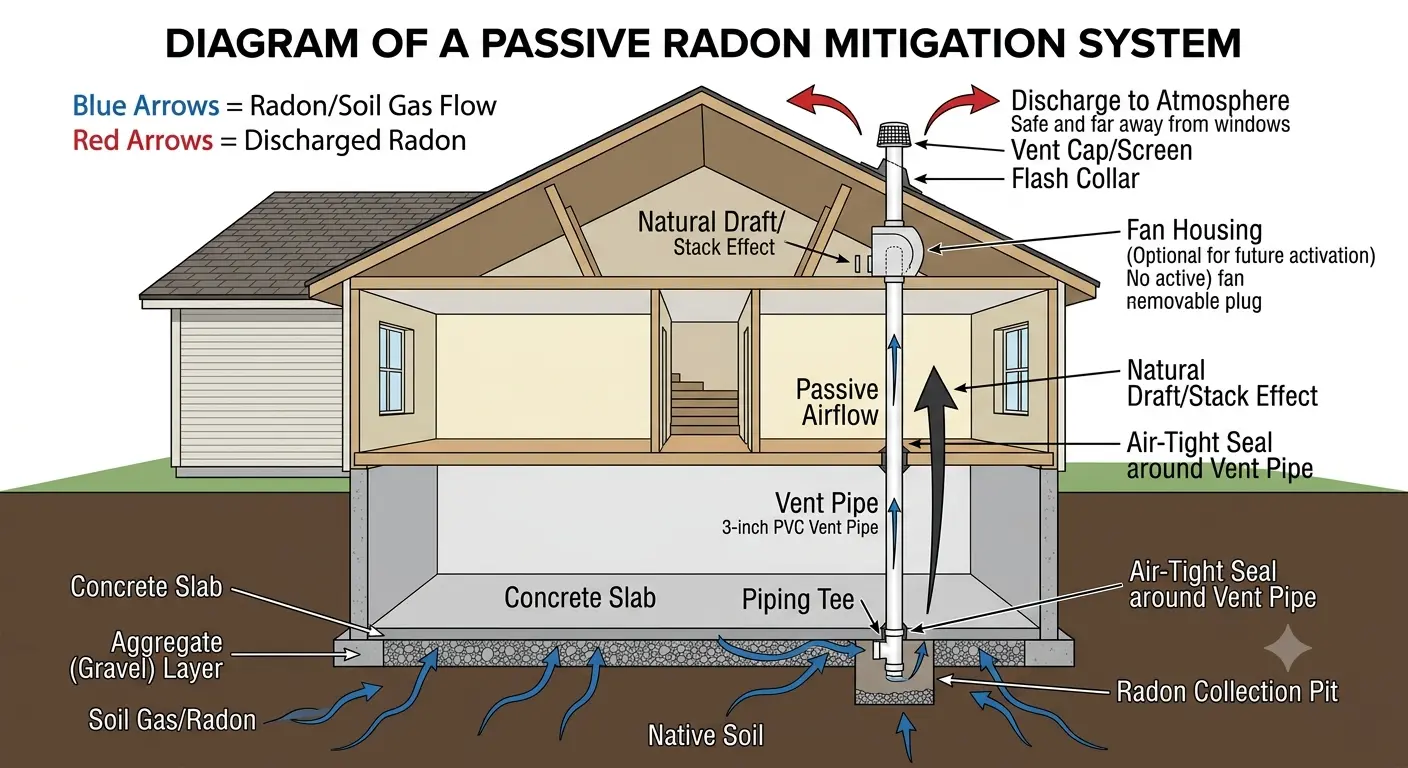
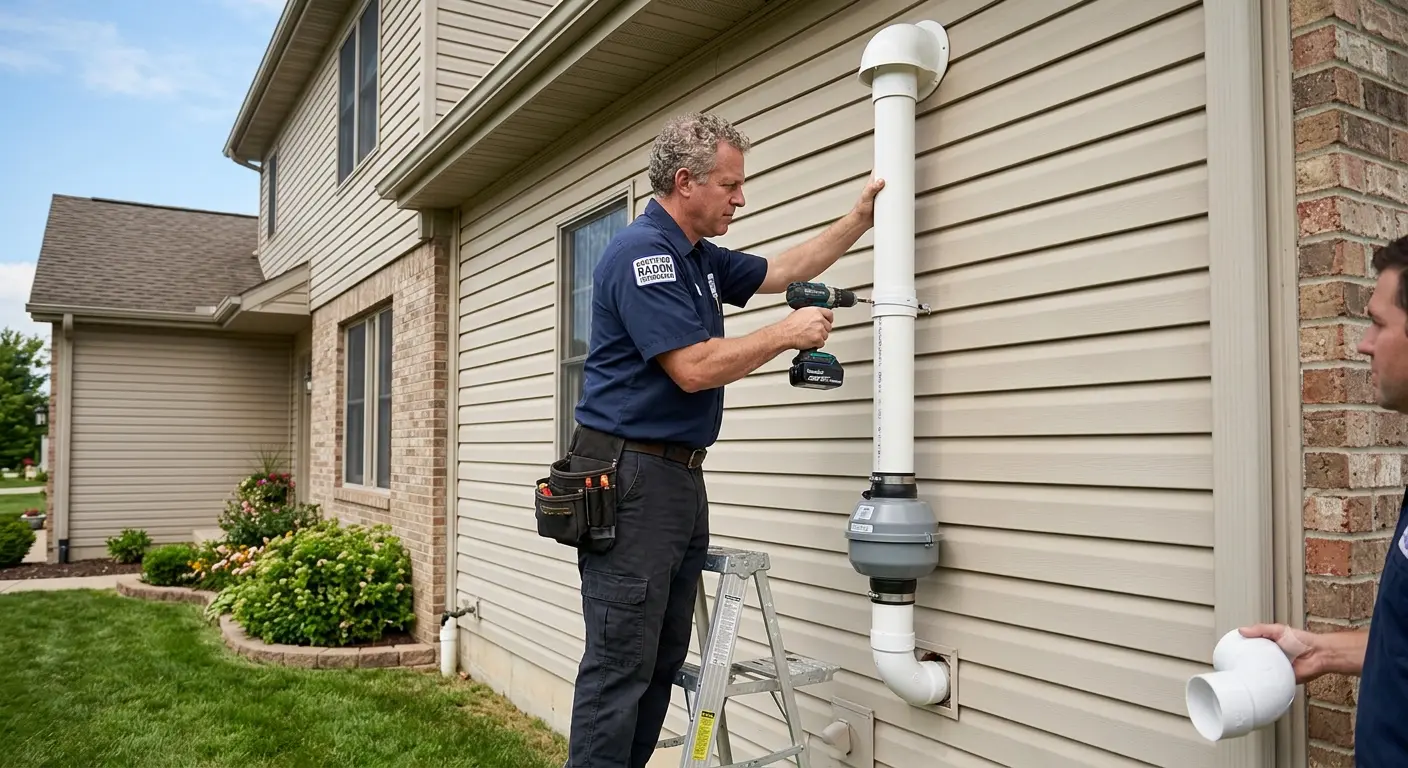
False. A high reading is a starting point, not a dead end. Most homes are brought to safe levels quickly with a mitigation system that vents radon out from beneath the foundation. After installation, a follow-up test confirms the drop.
The fact: High radon is one of the most fixable problems a home can have.
The Truth Behind Every Radon Myth
Strip away the misconceptions and it comes down to three facts: radon can affect any home, you can’t detect it without a test, and elevated levels can be fixed. Everything else is noise.
If you’ve been putting off a test because of something you heard, this is the moment to act. The radon pros at North American Radon Pros assess your home, install clean and code-compliant systems, and confirm results with a re-test — no fear-selling, just straight answers.